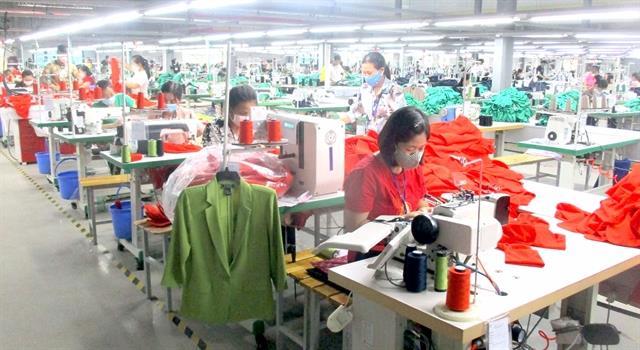
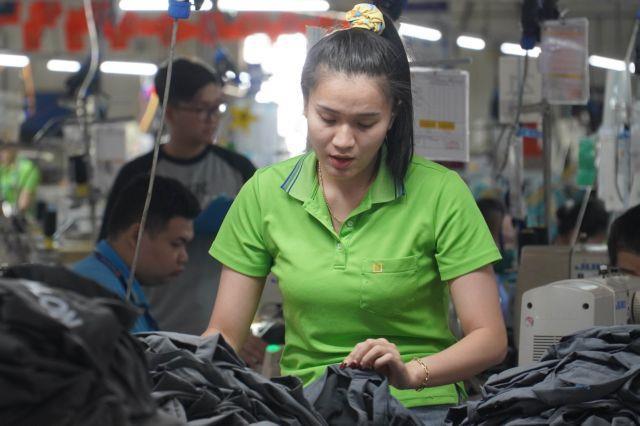
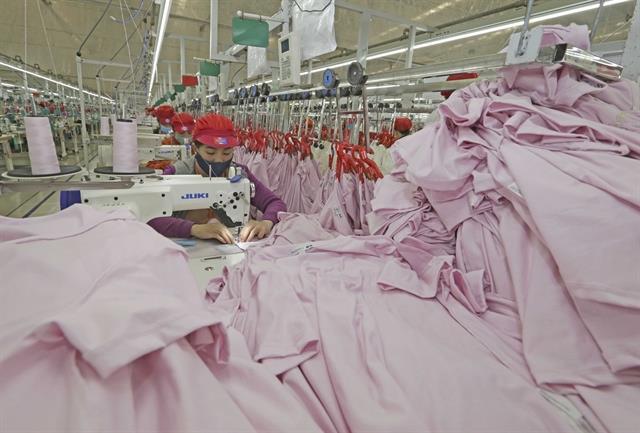
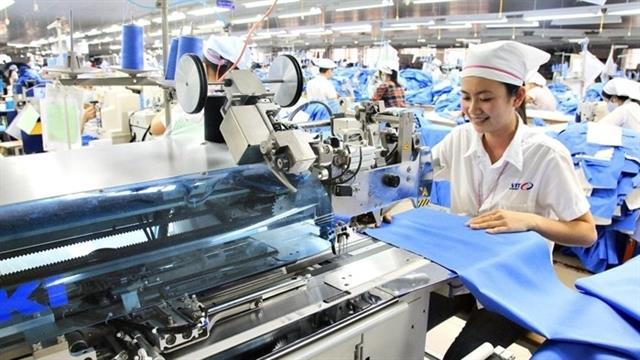
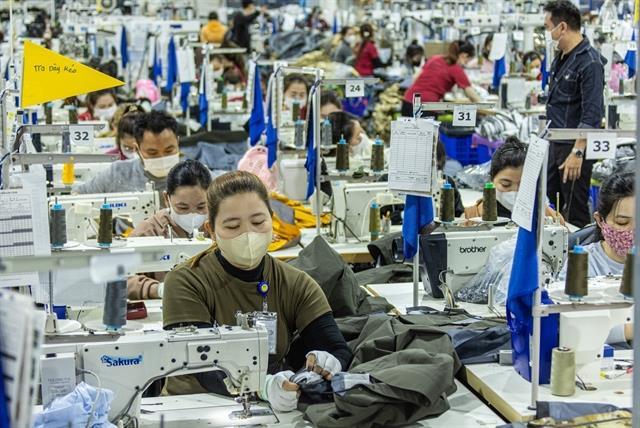
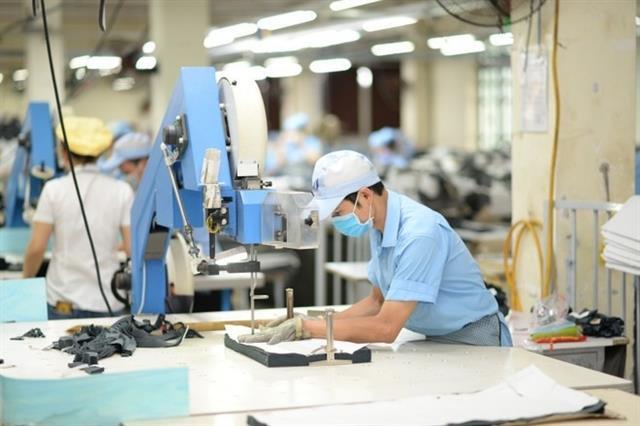
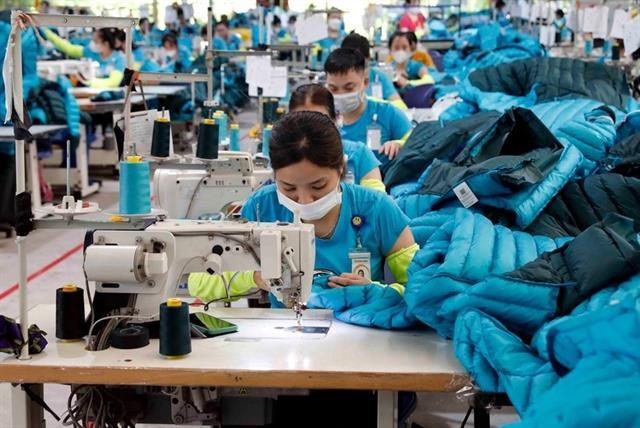
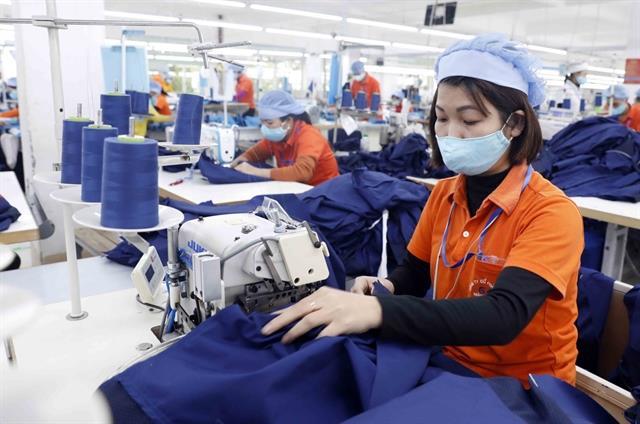
The sector aims to maintain steady output growth while shifting its focus to higher value-added production, improved product and service quality, and stronger brand positioning for Vietnamese textiles and garments in global markets.
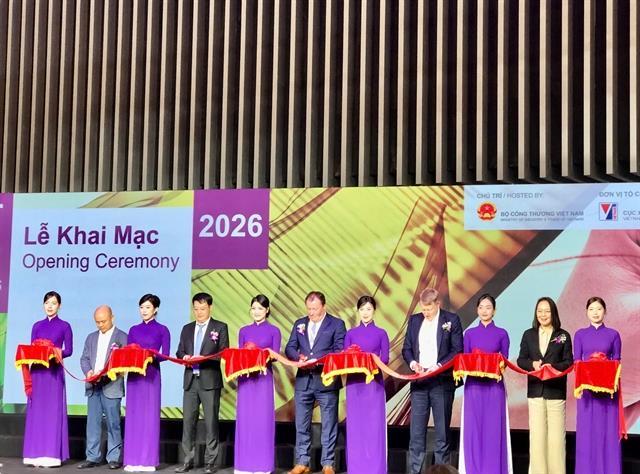
The Vietnam International Trade Fair for Apparel, Textiles and Textile Technologies opened at the Saigon Exhibition and Convention Centre in HCM City on February 26, enabling businesses to meet and explore collaborations.
Market analysts said that although global demand remains relatively stable, the sector continues to struggle with higher input costs, including wages and logistics, while selling prices remain under pressure due to weak bargaining power.
At the international textile and apparel exhibition held in Toronto in 2025, products from two Vietnamese firms – Bảo Minh Textile JSC and Viet Hong Textile Dyeing JSC – attracted considerable interest from Canadian and North American buyers. Việt Hồng...
Supply chains are under strain from stricter compliance requirements, rising logistics costs, tougher standards imposed by international brands, rapidly changing purchasing policies in major markets, tariff measures and the growing emphasis on sustainable development.
The Industrial Development Centre (IDC) under the Ministry of Industry and Trade, in collaboration with the Vietnam Textile and Apparel Association (VITAS) and the Korea Institute of Industrial Technology (KITECH), held an international workshop in Hà Nộion November 19, focusing...
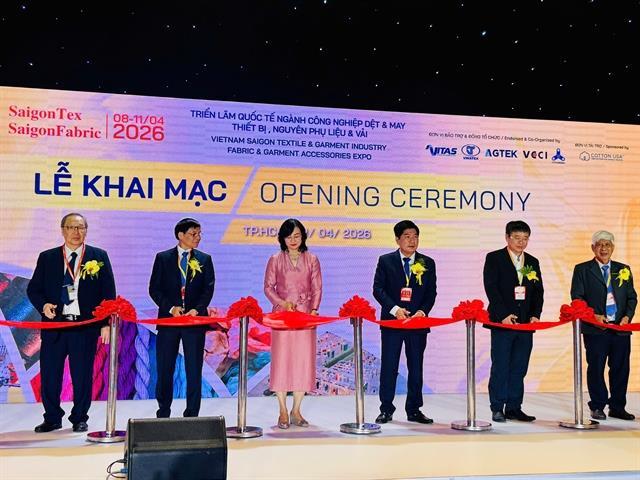
The latest machinery, technologies, feedstock, and solutions for the textile and garment and footwear industries are on display at four annual expos that opened in HCM City on Wednesday.
A trade promotion delegation from the Vietnam Textile and Apparel Association (VITAS), comprising nine enterprises, is attending the fair with the goal of expanding market access and maximising free trade agreement benefits.
Việt Nam’s textile and garment industry has made its mark in Europe’s premium segment by joining Paris Première Vision 2025 – an international fashion trade fair in France.
According to the Vietnam Textile and Apparel Association (VITAS), the industry has expanded its export reach to 132 countries and territories this year, up from 104 in 2024.
Facing rising demand, tariffs and supply chain pressures, Việt Nam’s textile sector eyes automation, domestic sourcing and digital traceability to stay globally competitive.
Việt Nam''s leather and footwear industry looked for new opportunities at the AFA Canada expo in Toronto amid shifting tariffs and global trade diversification.
The circular economy, an economic system designed to minimise waste and maximise resource efficiency, is taking centre stage in Việt Nam’s industrial restructuring efforts.
Establishing a research and development centre for Việt Nam’s fashion supply chain is seen as a strategic move to strengthen domestic production, reduce import dependence, and boost global competitiveness.
LEFASO, along with the Việt Nam Textile and Apparel Association and the Việt Nam Timber and Forest Products Association, jointly proposed the development of a 40-hectare centre dedicated to innovation and material supply for the fashion industry.